Clinical Epidemiology Center

The team

Founded in 2013 by Dr. Ziyad Al-Aly, the Clinical Epidemiology Center at the VA St. Louis Health Care System began with just one full-time and one part-time analyst. Through his vision, dedication and leadership, it has grown into an internationally recognized research center dedicated to transforming large-scale health data into meaningful scientific knowledge. His commitment to scientific excellence and to mentoring and developing researchers has expanded both the center’s scientific scope and its capacity to answer consequential questions.

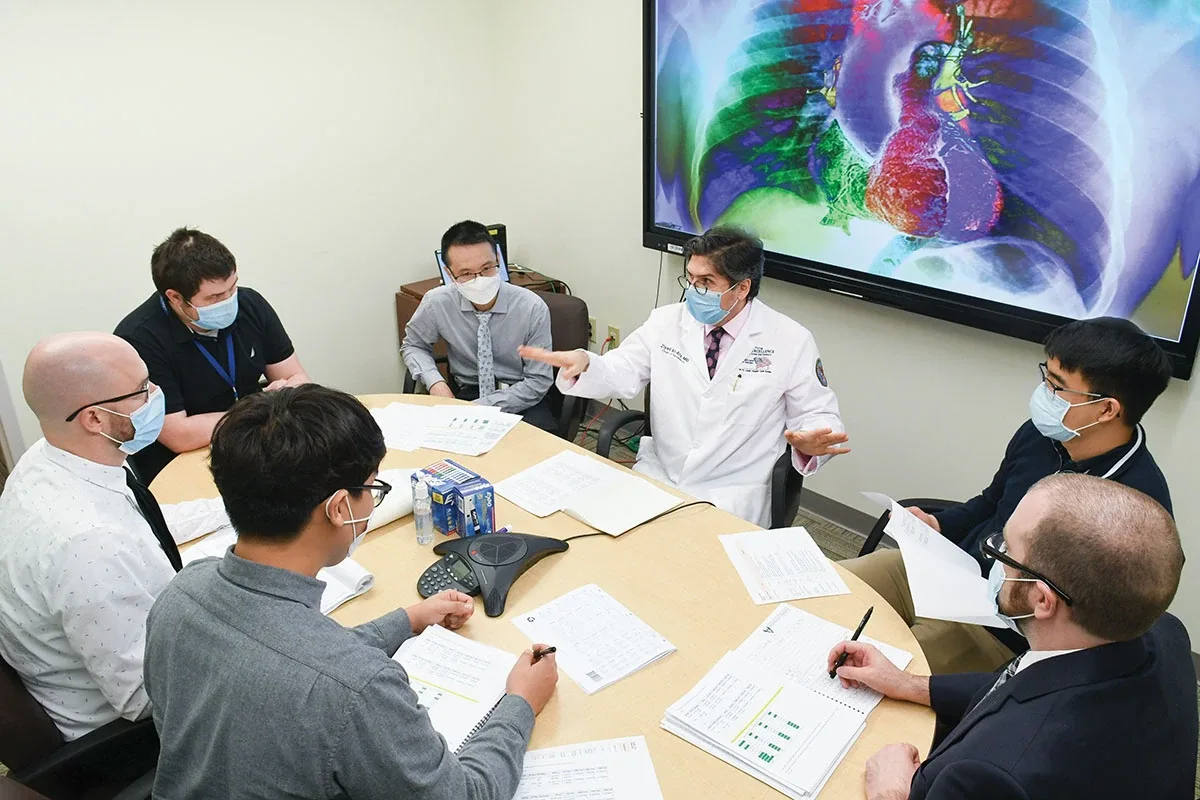
An archival research discussion around a table at VA St. Louis.
A research discussion at VA St. Louis. Archival photograph. Photo: Mary-Dale Amison, Public Affairs, VA St. Louis Health Care System.

Those questions reach into everyday life: the medicines people take, the air they breathe and the illnesses whose effects can last for years. The center’s drug-safety research linked widely used heartburn medicines to higher risks of kidney disease and premature death. Its environmental studies linked air pollution to kidney disease, diabetes and obesity, extending understanding of polluted air’s consequences beyond the lungs and heart. The team also mapped the growing and unequal burden of kidney disease across the United States and around the world, revealing the scale of a major public health challenge.

During the COVID-19 pandemic, the center brought this scientific foundation to an urgent new emergency. In 2021, it published the first systematic characterization of Long COVID in Nature, helping establish it as a multisystem condition. Subsequent research traced its consequences across organ systems and over years, revealed the added health burden of reinfection, and examined how vaccination and early antiviral treatment affect Long COVID risk. The team’s comparisons of COVID-19 and influenza showed that the burden of both infections extends well beyond acute illness. Its vaccine-effectiveness research continues to inform decisions about preventing hospitalization and death.

That same breadth defines the center’s work on GLP-1 medicines. Its atlas of 175 health outcomes mapped potential benefits and harms beyond diabetes and weight loss, examining the wider effects of these medicines on human health. Further studies linked their use to lower risks of substance use disorders and serious addiction-related outcomes, opening important new directions for addiction research and treatment.

Today, the center brings together approximately ten PhD-level and senior researchers across clinical epidemiology, pharmacoepidemiology and environmental epidemiology. From its modest beginnings, the CEC has evolved into a vibrant and productive research environment where complementary expertise, mentorship and scientific collaboration make ambitious work possible. The team is united by a shared mission: to generate rigorous, impactful evidence that advances medicine, informs public health and improves the health and well-being of Veterans and people around the world.

How we work

We bring clinical knowledge, epidemiology and data science together around questions that matter to patients. The question determines the method. For treatment questions, we often begin with the trial we would want to run, then use health records to emulate it as closely as possible.

We test alternative explanations and challenge unexpected findings. When an early analysis suggested a higher risk of diabetes after COVID-19, we rebuilt the cohort and repeated the analysis. We explain what the evidence shows, where uncertainty remains, and what an association cannot establish.

Core team

Yan Xie

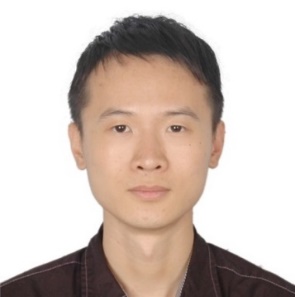
Yan XiePhD

Director of Pharmacoepidemiology

Yan Xie is a clinical epidemiologist and biostatistician whose research addresses consequential questions about disease, treatments and long-term health. Since joining the Clinical Epidemiology Center in 2014, he has risen from research assistant to Director of Pharmacoepidemiology. Working with Ziyad Al-Aly and colleagues, he has helped characterize the lasting effects of COVID-19 and map the benefits and risks of medicines. He is first author of 35 research papers in the team’s publication catalogue.

Read full bioClose full bio

Yan Xie, PhD, is Director of Pharmacoepidemiology at the Clinical Epidemiology Center, VA St. Louis Health Care System, and an Assistant Professor at Washington University School of Medicine in St. Louis. With a PhD in Biostatistics, he brings expertise in study design, causal inference and large-scale health data to questions that matter to patients: how diseases affect health over time, how treatments compare, and where their benefits and harms emerge.

Since joining the center in 2014, Yan has built a long-standing scientific partnership with Ziyad Al-Aly, progressing from research assistant to a leadership role spanning chronic disease, environmental health and medication safety. His work translates clinical questions into rigorous studies, using longitudinal health records to investigate outcomes that conventional clinical studies can struggle to capture.

Yan is first author of 35 research papers and a coauthor of 86 publications in the team’s publication catalogue. These include the Nature Medicine study of cardiovascular disease after COVID-19, the NEJM study tracing Long COVID risk across pandemic eras, and the atlas of GLP-1 medicines across 175 health outcomes. He also led the first large-scale study linking early nirmatrelvir treatment to a lower risk of Long COVID, published in JAMA Internal Medicine.

His research extends to diabetes after COVID-19, the long-term consequences of influenza, the kidney and mortality risks associated with proton pump inhibitors, and environmental exposures. As a collaborator, he has contributed to studies of COVID-19’s neurologic, kidney and gastrointestinal effects.

Beyond individual studies, Yan develops the team’s analytic capabilities and works with postdoctoral researchers and collaborators to strengthen study design and methodological rigor. He was named a Clarivate Highly Cited Researcher in 2024 and 2025 and included in the Stanford/Elsevier top 2% scientist lists in 2024, 2025 and 2026.

“I find it particularly rewarding to be part of a collaborative research environment where important scientific questions, rigorous methods and diverse expertise come together to produce research with real-world impact.”

That commitment connects his methods, mentorship and research: producing evidence that informs clinical care and improves the health of Veterans and people worldwide.

Google Scholar
Taeyoung Choi

Taeyoung Choi

Biostatistician/Data Scientist

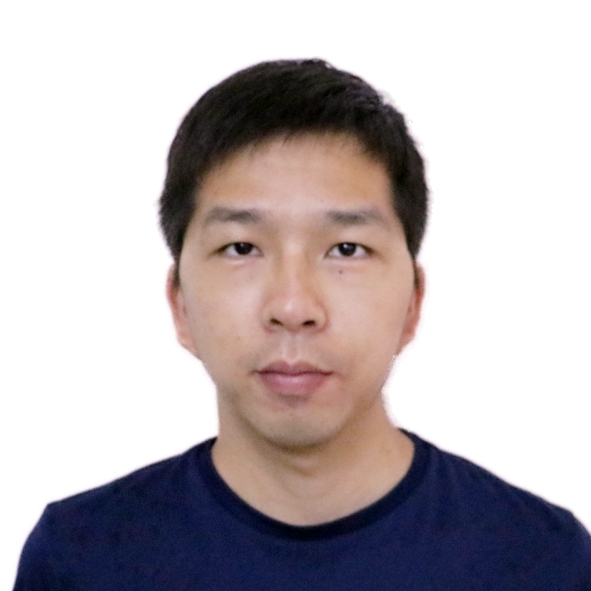
Taeyoung Choi specializes in clinical epidemiology and pharmacoepidemiology as a biostatistician and data scientist.

Google Scholar
Miao Cai

Miao Cai

Biostatistician

Miao Cai studies long-term COVID-19 outcomes and vaccine and drug effectiveness using observational cohorts and causal inference methods.

Google Scholar