How well did the 2025–26 COVID-19 vaccine work?
A study in Vaccine examined protection against COVID-19 emergency department visits and hospitalizations among U.S. veterans.
Answering questions that improve lives.
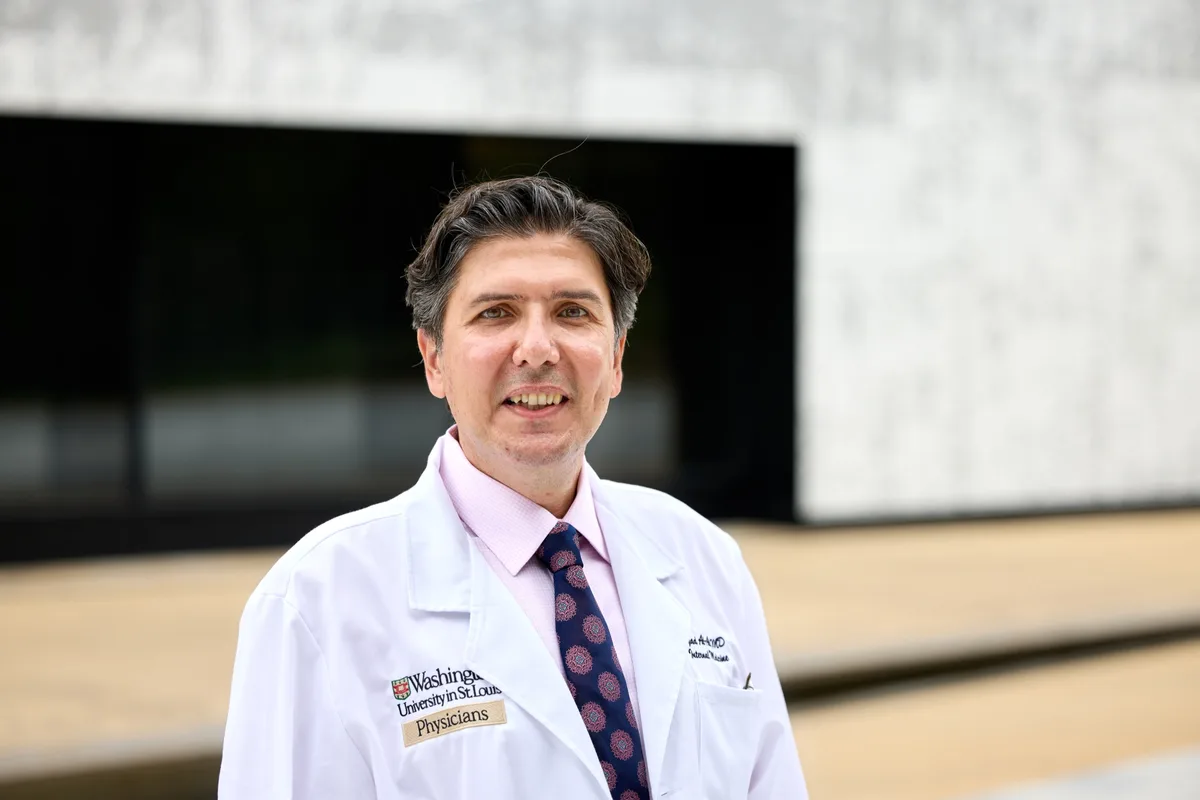
I work on the health questions that will matter to the most people: what an infection leaves behind, what medicines do beyond their intended purpose, and how the environment shapes our health. It starts with listening to people. Then we crystallize the question, answer it with rigor, and connect the evidence to policy and practice that improve people’s lives.
A study in Vaccine examined protection against COVID-19 emergency department visits and hospitalizations among U.S. veterans.
An essay in The Conversation explains what we know about a rare but serious eye condition and what patients should know.
Ziyad Al-Aly and Diana Isaacs discuss emerging safety concerns in an Association of Health Care Journalists webinar, 11 a.m. to noon CT.
I have always been drawn to questions that affect many people. Finding answers is only the beginning. Research isn’t finished until the answers improve people’s lives. That takes four things:
Heartburn medicines, air pollution, COVID-19 and GLP-1 medicines.
Explore the research areas →The first systematic map of Long COVID, published in Nature.
The evidence →Essays for the public and research coverage in 55 languages.
Public writing →U.S. Senate testimony and the national Long COVID research plan.
Policy work →Google Scholar · · View profile
















Lasting health effects across organ systems, including in people who were never hospitalized.
Influenza, like COVID-19, can leave lasting health problems affecting multiple organ systems.
The study estimated 3.2 million new diabetes cases worldwide in 2016 attributable to air pollution, with risk rising even at low pollution levels.
Compared with H2 blockers, proton pump inhibitor use was associated with higher risks of new chronic kidney disease and progression to kidney failure.
Benefits, risks and what happens when treatment stops.

Across 175 health outcomes, GLP-1 medicine use was associated with lower risks of 42 outcomes and higher risks of 19.
Nature Medicine · Source paper · View enlarged figure
Research is half the job. The other half is making the evidence useful to patients, clinicians and policymakers.
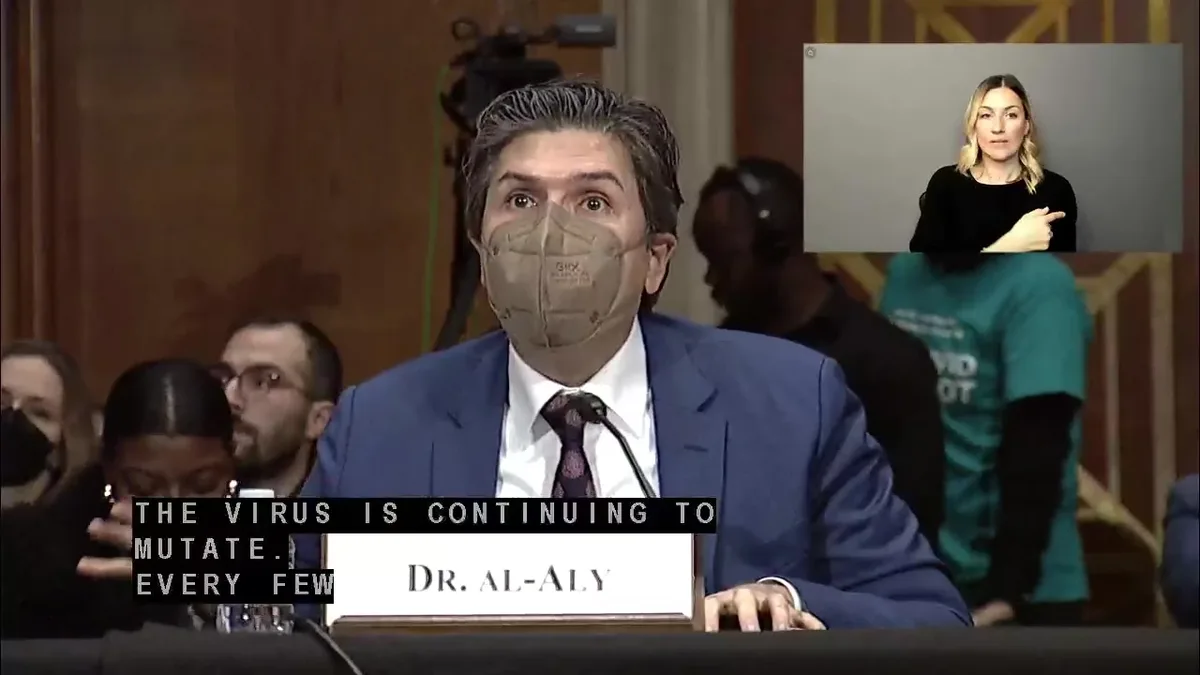
I co-chaired the committee that developed the U.S. National Research Action Plan on Long COVID. In January 2024, I testified before the Senate HELP Committee about the need for research, treatment and care.
Read the WashU accountResearch in use
Research led by me and my team is cited in 559 policy, guideline and decision-support documents across 31 countries and 17 languages.
“His findings on long-term brain and heart conditions after COVID-19 have helped us evaluate and better care for our patients.”
I write to help people understand what the research found, what it means and what it does not settle.
By Ziyad Al-Aly
By Ziyad Al-Aly
By Ziyad Al-Aly
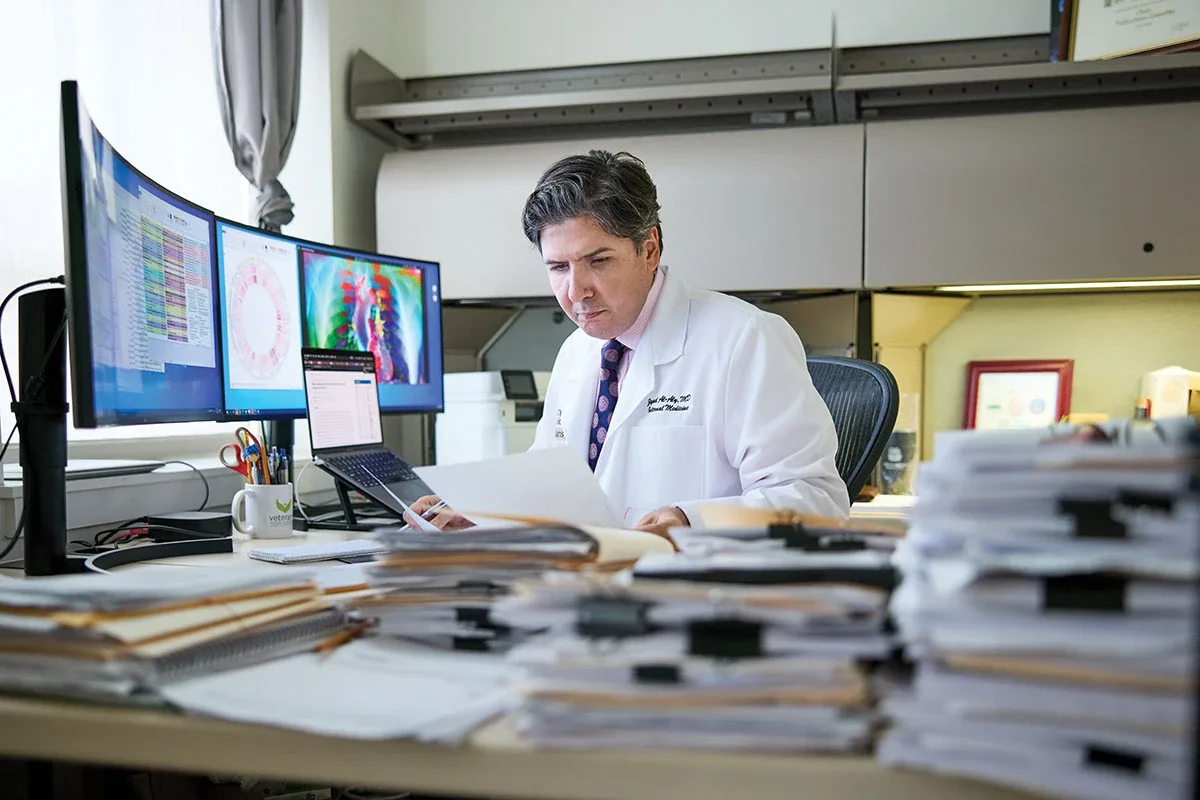
I grew up in Lebanon and taught myself to code at 14. Today, my team and I use data from millions of people to study how infections, medicines and the environment shape health, and what that means for care and policy.
My story