Research
The questions lead the way.
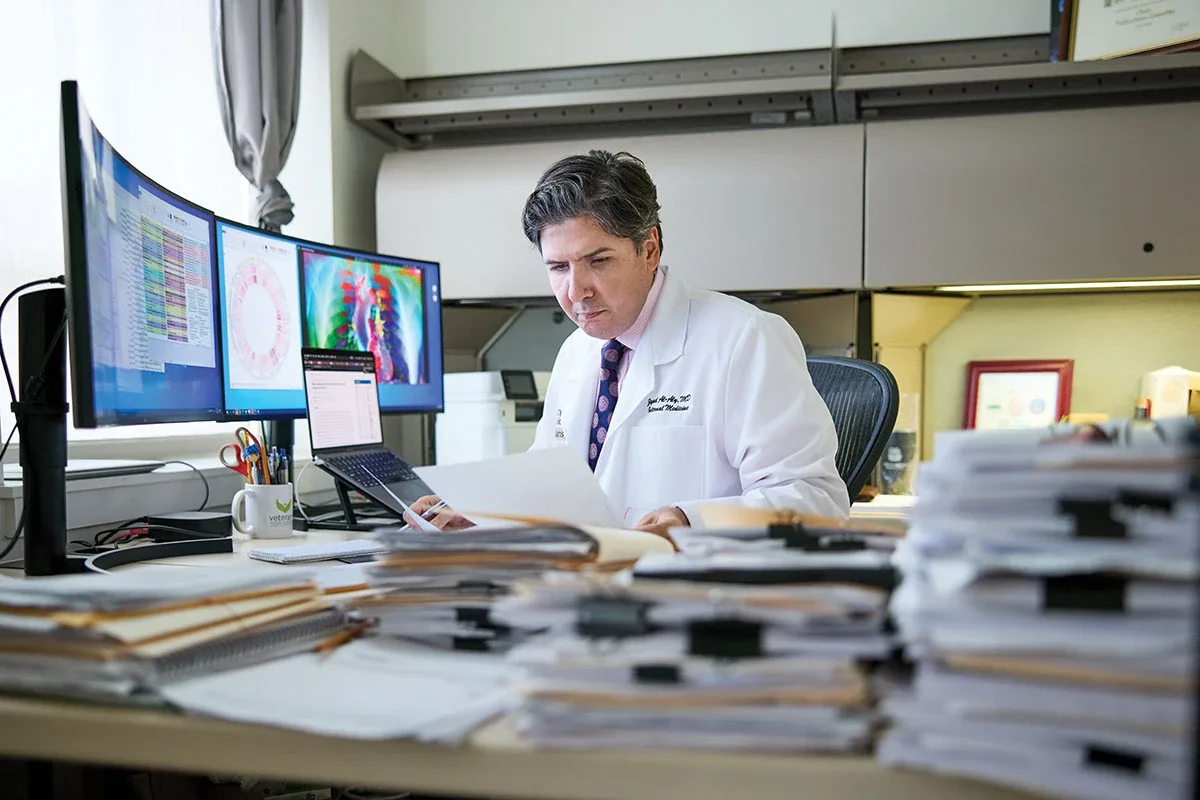
Turning data from millions of people into better health for everyone.
Meet the teamFind the right questions
Start with what people tell us
My lab is not built around one disease. We follow the questions that matter most to people, choosing methods to fit each question.
People notice changes in their health before science has a name for them. We listen to patients, clinicians and communities to understand what needs an answer.
We study everyday experiences: taking a medicine each morning, breathing the air outside a window or living with an illness that will not go away.
Answer them with rigor
Turn good questions into reliable answers
For treatment questions, we often begin by defining the trial we would want to run, then use health records to emulate it as closely as possible. We test alternative explanations and distinguish an association from proof of cause.
Selected studies on medicines, environmental exposures and health after infection. The full list is on the Publications page.
Everyday medicines
How safe are the medicines people take every day?
A heartburn medicine can become part of someone’s daily life for years. We wanted to understand its long-term effects.
Compared with H2 blockers, another type of acid-suppressing medicine, proton pump inhibitors were associated with higher risks of kidney disease, kidney failure and premature death. We also observed higher mortality among people who had no documented reason for acid-suppressing treatment when they started it. The findings raised practical questions about who needs treatment and for how long.
Selected research
Environment & health
What does the air we breathe do to the rest of the body?
Our diabetes and obesity studies found health risks even below the U.S. pollution standards in place at the time.
We quantified the global burden of diabetes and kidney disease attributable to fine-particle pollution, linked exposure to weight gain and obesity in U.S. veterans, and estimated pollution-related deaths across the United States.
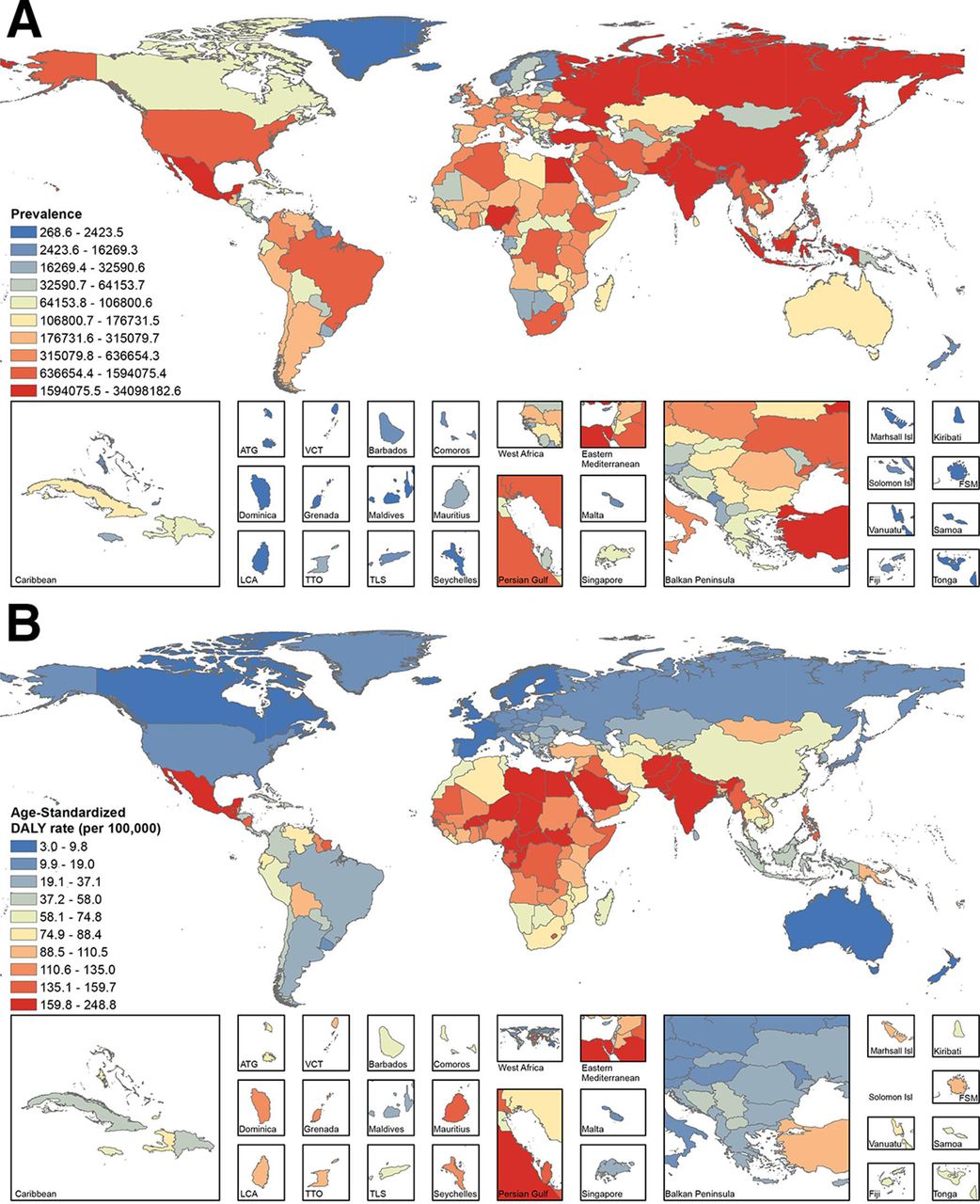
Panel A shows the estimated number of people living with chronic kidney disease attributable to fine-particle pollution in 2017. The figures below describe new cases and deaths, not the existing cases shown on the map.
Bowe et al., BMJ Global Health (2020), Fig. 2. CC BY-NC 4.0.
View complete two-panel figureThe population burden of air pollution
About3.2Mnew diabetes cases worldwide in 2016
About3.3Mnew chronic kidney disease cases worldwide in 2017
About198,000nonaccidental deaths in the contiguous U.S., using 2017 mortality data
Selected research
2020 · A new emergency
Then the world’s questions changed.
In March 2020, we had a newly funded program on medicines used to lower blood glucose and no established infectious-disease research program. We applied the methods we had developed for medicines and environmental exposures to COVID-19.
Then patients began describing lives that had not returned to normal. Listening to them changed what we needed to investigate.
Why were people still ill?
Read the decision behind the research
COVID-19, Long COVID & beyond
What does recovery really mean?
Patients’ reports led us to study what happened after the acute infection: which problems persisted, who was affected and how risks changed over time.
“Ziyad was one of the first researchers to take actionable steps based on our experiences as patients.”
- 2021–2022
What happens after COVID-19?
In 2021, we published the first systematic characterization of Long COVID in Nature, using veterans’ health records. It showed a multisystem illness, including among people who had not been hospitalized for COVID-19. Later work mapped its cardiovascular consequences.
- 2022
Does reinfection add risk?
Reinfection was associated with additional health risks compared with having one infection.
- 2023
Could early treatment help?
Early nirmatrelvir treatment was linked to a lower risk of Long COVID in people at risk of severe illness.
- 2024
How long can the effects last?
Many risks declined over time, but some health loss remained three years after infection, especially among people who had been hospitalized.
- 2024–2025
What difference does vaccination make?
Our analysis attributed most of the decline in Long COVID risk across pandemic eras to vaccination. A separate study linked the 2024–2025 vaccine to fewer COVID-19-related emergency visits, hospitalizations and deaths.
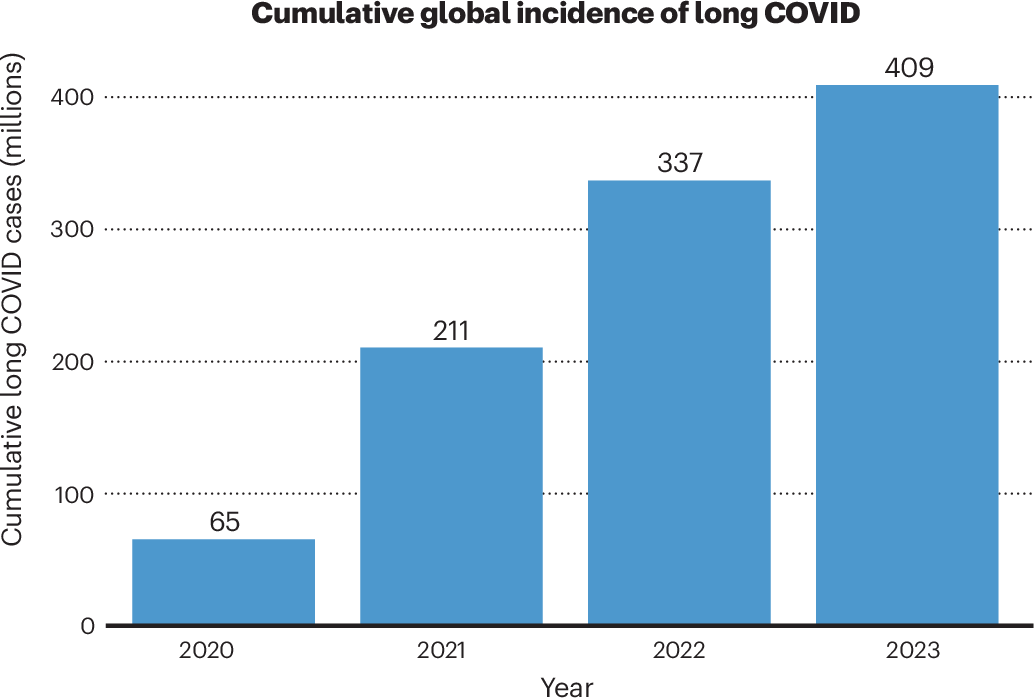
Estimated cumulative global incidence of Long COVID, 2020–2023. About 400 million people had experienced Long COVID worldwide by the end of 2023. Our 2024 review with patient-led researchers also estimated an annual global economic impact of about $1 trillion.
Al-Aly et al., Nature Medicine (2024), Fig. 2.
View enlarged figureBeyond one virus
Could flu leave a long tail, too?
We compared people hospitalized for COVID-19 or seasonal influenza over 18 months. Both groups experienced substantial health loss after the acute phase.
GLP-1 medicines
What else do these medicines do?
As GLP-1 use grew, so did questions about effects beyond weight and blood sugar. What benefits and harms might we be missing?
We built an atlas of 175 health outcomes to uncover benefits and risks beyond weight loss and blood sugar.
An atlas of 175 health outcomes
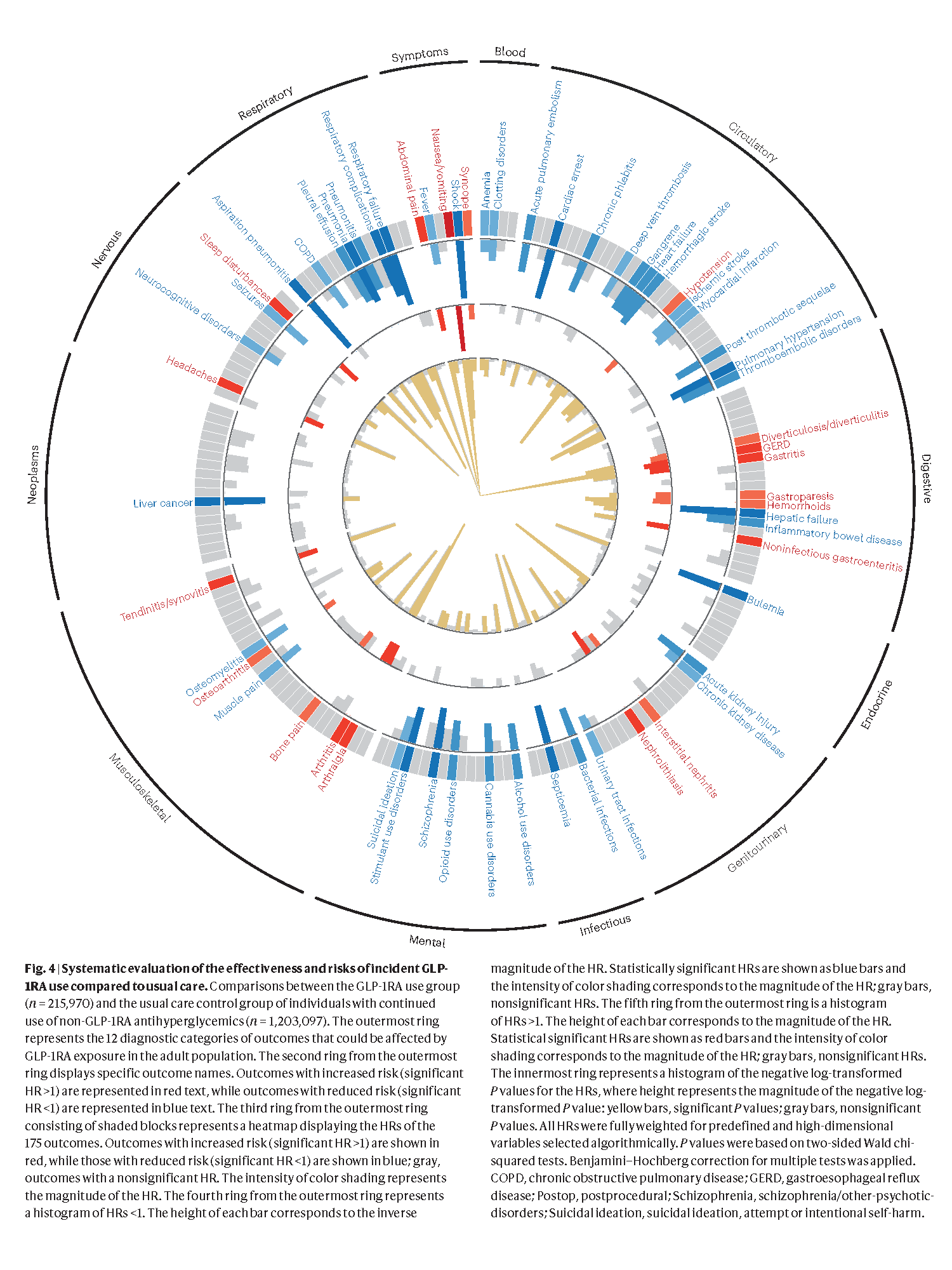
Among U.S. veterans with type 2 diabetes, starting a GLP-1 medicine was associated with lower risks of 42 of the 175 outcomes studied and higher risks of 19, compared with usual care.
Nature Medicine · Source paper · View enlarged figure
And what happens when treatment stops?
Three years of continuous GLP-1 use was linked to an 18% lower risk of heart attack, stroke or death than sulfonylurea use. At three years, one year on GLP-1 treatment followed by two years off was linked to 22% higher risk than continuous GLP-1 use.
We also examined specific safety concerns. Pancreatitis risk was similar overall at one year compared with sulfonylureas, but varied by cause and time on treatment. A separate study linked GLP-1 medicines to a small increase in the risk of NAION, a rare optic nerve condition, compared with SGLT-2 medicines.
Addiction · Following a signal from the atlas
Could these medicines help with addiction?
The atlas pointed to lower risks of substance use disorders. We followed that signal in 606,434 veterans with type 2 diabetes, comparing people starting GLP-1 medicines with those starting SGLT-2 medicines.
We found lower risks of new substance use disorders and, among people with existing disorders, lower risks of overdose and substance-related emergency visits, hospital admissions and death. These findings support testing GLP-1 medicines in clinical trials for the prevention and treatment of substance use disorders.
Explore the addiction studyObservational findings do not establish that GLP-1 medicines are effective addiction treatments.
Selected findings on addiction
Starting GLP-1 medicines compared with SGLT-2 inhibitors
New substance use disorders
Each analysis excluded people with a history of that specific disorder
Percent lower hazard
Opioid use disorder25% lower
Cocaine use disorder20% lower
Nicotine use disorder20% lower
Alcohol use disorder18% lower
Cannabis use disorder14% lower
Other substance use disorders13% lower
Among people with an existing substance use disorder
81,617 veterans with type 2 diabetes
Percent lower hazard
Substance-related death50% lower
Drug overdose39% lower
Associations in U.S. veterans with type 2 diabetes followed for up to three years. Percentages show relative reductions in hazard, not absolute risk reductions.
For substance-related death, 50% lower hazard corresponded to an estimated 1.52 fewer deaths per 1,000 people over three years (95% CI 0.72–2.32 fewer).
Source: Cai M, Choi T, Xie Y, Al-Aly Z. The BMJ 2026;392:e086886 · DOI
Selected research
Communicate what we find
Make the evidence understandable
The work does not end at publication. I write for the public in plain language and talk with journalists so the evidence is reported accurately. I also give names to what we find, so people have words for it. The people whose questions started the work should be able to understand its answers.
Public writing
Essays in STAT, The Conversation, The Guardian and The BMJ, and research notes on Substack.
Read the writing A conversation with Eric Topol on Long COVID
Video thumbnail: Scripps Research / Ground Truths

GLP-1 and addiction
A new direction for addiction research
I explain the GLP-1 addiction findings in this 1:09 excerpt. The 48:42 full program includes several contributors.
7 News Spotlight · July 7, 2026 · 1 min 09 sec
Explaining the findings
The promise and risks of GLP-1 medicines
Explaining what GLP-1 research can tell us about addiction, benefits and risks.
PBS News / Horizons · March 12, 2026 · 26 min 46 sec
Watch on PBS
Video thumbnail: PBS News / Horizons
Bridge science and policy
Bring evidence into the room
I work where research meets decisions: helping set national research priorities, testifying to lawmakers, and advising international agencies.
Senate testimony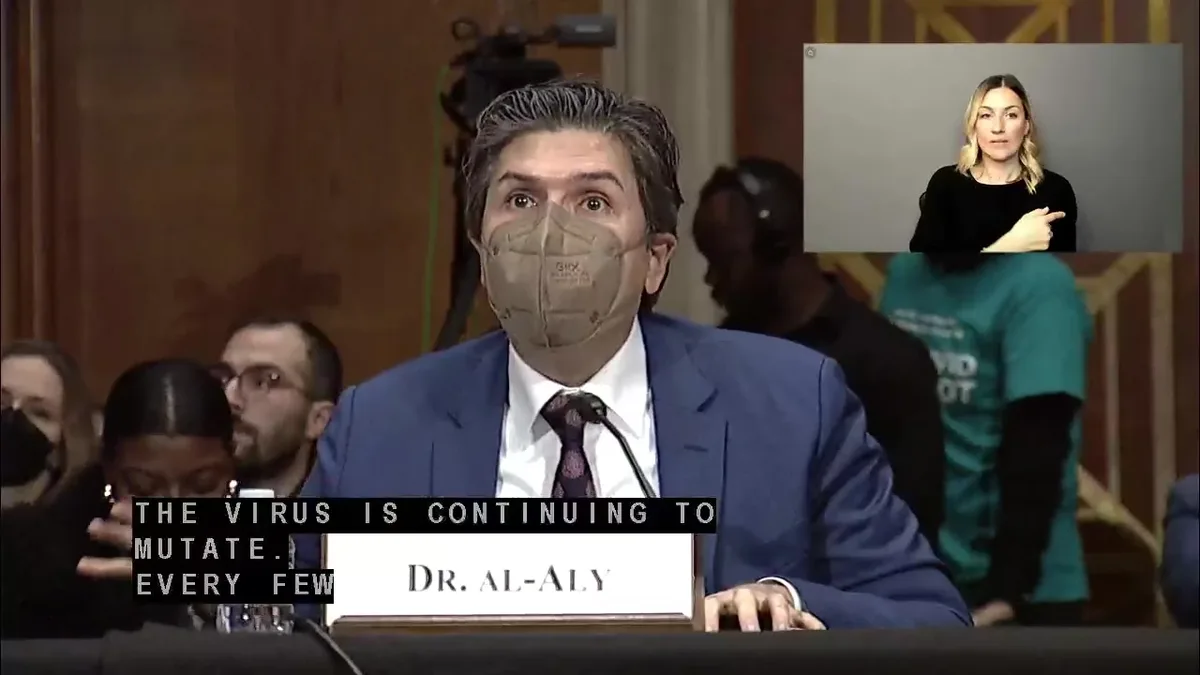
Research in use
CDC cited our 2021 Nature study among the sources used to select conditions for its 2022 analysis of post-COVID health. WHO’s 2025 Long COVID fact sheet cites our review with patient-led researchers and our research on health outcomes two years after infection.
“His findings on long-term brain and heart conditions after COVID-19 have helped us evaluate and better care for our patients.”
Research leadership and public service
- Co-chaired the committee that developed the 2022 U.S. National Research Action Plan on Long COVID
- Served on the U.S. Government Long COVID Coordination Council
- Testified before the U.S. Senate HELP Committee on Long COVID, January 2024
- Adviser to the World Health Organization on the long-term effects of COVID-19
- Adviser to the OECD Health Division on the economic consequences of Long COVID
- Served on the National Academies committee on the long-term health effects of COVID-19, 2023–2024
- Served on the White House Cancer Moonshot Data and Innovation Task Force
The work begins with listening, and it returns there.
Go deeper into the evidence
252 publications since 2003. Search, filter by topic and authorship, export citations.